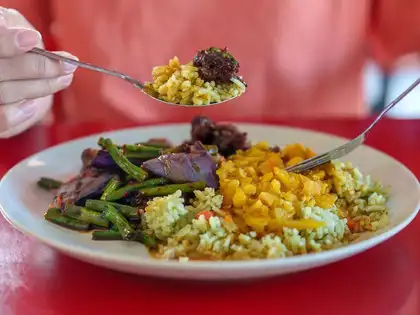
AIIMS Doctor Urges Vegans About Vitamin B12 Deficiency Risks
When AIIMS-trained neurologist Dr. Priyanka Sehrawat speaks about vitamin B12 deficiency in vegetarian populations at the Indian Medical Academy Society (IMAS), her warnings carry a tone of urgency that can't be ignored. In an era where millions opt for plant-based diets to lead healthier lifestyles, she has raised red flags over potential risks associated with exclusive consumption of vegetables.
The scenario might seem familiar: vegetarians often embrace fresh fruits and leafy greens as staples in their diet, believing they are providing all necessary nutrients without the need for animal products. Yet Dr. Sehrawat's findings suggest that this popular belief could be misleading – more so when it comes to B12 vitamins.
B12 is one of those essential micronutrients found primarily in food from animals and fortified plant-based foods, which many vegetarians tend to overlook as a crucial part of their diet. This oversight can lead to deficiency symptoms like fatigue, neurological issues, and anemia that may go unnoticed for extended periods until they manifest severely.
In her talks at the AIIMS Delhi, Dr. Sehrawat emphasizes how plants simply don't produce B12—something vegetarians need to be particularly mindful of given its importance in maintaining healthy blood cells and nerve function. This deficiency can have severe implications on health without proper medical intervention, underscoring why it’s essential for vegetarian communities to understand the risks.
This article will delve deeper into these findings by Dr. Sehrawat at AIIMS Delhi. We'll explore what constitutes a B12-deficient diet and how exactly this nutrient impacts our bodies. You’ll also learn about common sources of fortified foods that can fill in the gap for vegetarians, as well as simple ways to incorporate more nutritional awareness into your vegetarian lifestyle.
By understanding these points thoroughly and acting on them responsibly, readers will not only ensure a healthier diet but also better equip themselves against potential health risks associated with B12 deficiency.
Understanding AIIMS Doctor Warnings on Vegetarian Vitamin B12 Deficiency and Its Importance for Your Health
In recent years, we've seen an increasing trend of vegetarianism in many parts of the world as people seek healthier lifestyles or align themselves with specific diets due to ethical reasons. However, it's crucial to understand that while this lifestyle can be beneficial overall, there are some potential pitfalls associated with a strict plant-based diet.
What It Is: Core Technology – Vitamin B12
Vitamin B12 is one of those essential micronutrients found primarily in animal products like meat, dairy, and eggs. While many people don't think about it when they're choosing to be vegetarian or vegan for health reasons, this omission can lead to significant nutritional deficiencies.
How It Works: Technical Explanation (Simplified)
Vitamin B12 is a water-soluble vitamin necessary for producing healthy red blood cells and maintaining the nervous system. The deficiency often goes unnoticed initially because it's not as visible on diagnostic tests compared to other nutrients like calcium or iron, which can make people feel tired or weak.
The issue arises when plants don't produce Vitamin B12 at all; hence vegetarians need an external source of this vitamin in their diet. This is why fortified foods and supplements are vital for vegans who rely solely on plant-based sources. In contrast, dairy products naturally contain adequate levels of B12 even if someone doesn’t consume animal-derived milk.
Use Cases: Practical Applications
For instance, soy milk or any other non-dairy beverage that's labeled as "vitamin fortified" should be checked for its Vitamin B12 content before consuming it. Even with these fortifications, some brands may not have enough vitamin B12 to meet daily needs effectively without supplementation.
Comparison: How It Stacks Against Alternatives
Traditional dietary approaches typically include animal products rich in Vitamin B12 as a natural source of the nutrient. However, for those following strict vegetarian or vegan diets who are unable—or unwilling—to consume these sources:
-
Supplements: The easiest and most reliable method to ensure adequate intake is through oral vitamin B12 supplements.
-
Foods with Fortification: Certain non-dairy milks (like soy milk), nutritional yeast, fortified cereals, and some breakfast bars can offer Vitamin B12. However, as mentioned before, these fortifications are not always sufficient.
In contrast to ChatGPT which revolutionizes the way we interact with AI for queries and tasks that span across various fields including medical diagnostics, vitamin B12 deficiency counseling remains a niche area but one of significant importance given its direct impact on our health. Here is where traditional clinical advice comes into play - consulting an expert or following specific dietary guidelines can help maintain optimal Vitamin B12 levels.
Industry Impact: Disruption Potential and Future Implications
The discovery that vegetarians are prone to Vitamin B12 deficiency has prompted a shift in how medical professionals advise on vegetarian diets. While ChatGPT might excel at providing quick symptom-checks, the personalized advice of AIIMS doctors like Dr. Sehrawat ensures individuals get targeted guidance based on their unique dietary needs.
Moreover, this realization can lead to more research and development towards fortifying plant-based products with Vitamin B12 or developing affordable supplements that cater specifically to vegetarian populations.
In essence, while ChatGPT offers a quick solution for symptom analysis in various medical fields, AIIMS doctors like Dr. Sehrawat bring nuanced understanding informed by clinical experience - essential when it comes to dietary needs such as ensuring adequate intake of Vitamin B12.
Why Readers Should Care: The Significance of This Topic
This topic is particularly critical because many vegetarians are unaware that they could be suffering from this deficiency without even realizing. Ensuring awareness and proper guidance can prevent serious health issues down the line, making it a vital conversation in dietary healthcare discussions moving forward.
For those already following vegetarian diets or considering them for lifestyle reasons, understanding these nuances will empower you to make informed choices about your diet that align with both your values and nutritional needs. As Dr. Sehrawat stresses, vigilance is key – the health of millions could depend on being mindful of this essential vitamin in their dietary routine.
By educating ourselves, we not only improve our personal wellness but also contribute positively towards advocating for better understanding and support within vegetarian communities worldwide.
Summary
Conclusion
In essence, what Dr. Sehrawat from AIIMS Delhi is highlighting is a crucial piece of information that many vegetarian communities overlook: the necessity for Vitamin B12 intake in their diets.
Understanding this vulnerability can empower both vegetarians themselves and healthcare professionals to take proactive steps towards prevention and early detection. It underscores why education about nutritional needs, especially vitamin deficiencies like B12, must be part of any holistic dietary advice provided to all populations—particularly those who might miss it on their own account due to an unassuming diet.
As we move forward into a more mindful healthcare landscape where personalized nutrition plays a bigger role, the significance of this warning cannot be understated. Vegetarians and vegans need not feel guilted for choosing vegetarian lifestyles; rather, they should take necessary steps in educating themselves about what their dietary choices might mean for specific nutrient intake.
Moreover, it raises questions about how fortified foods can better align with these communities or even explore the development of more specialized supplements that cater to vegetarians. This is where innovation and collaboration between medical professionals and industry players could yield groundbreaking solutions.
As Dr. Sehrawat aptly puts it—vigilance when choosing a vegetarian diet ensures not only sustainability but also longevity in health, especially concerning deficiencies like B12.
For readers who are now armed with this knowledge: what does your next step look like? How will you ensure that adequate Vitamin B12 intake is part of your nutritional plan moving forward?
What broader implications do you foresee for research and healthcare as a result of understanding this vulnerability within vegetarian communities specifically related to vitamin deficiencies? The power lies in our willingness to understand, adapt, and improve.