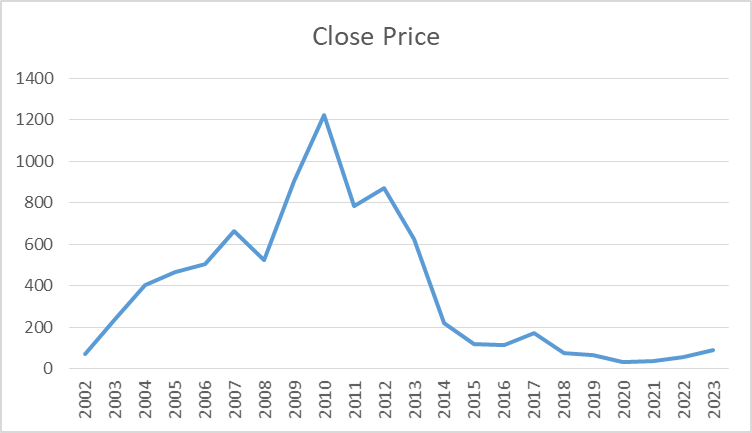
Every Penny Counts: Understanding Bank Stock Movements
In today's fast-paced financial landscape, every penny counts—and nowhere more so than in our largest banks, where billions of investments flow daily. For investors seeking to navigate this complex arena with precision and clarity, understanding the tide-critical movements within these behemoths is essential.
Today’s blog post delves into one such critical entity: Punjab National Bank (PNB). The PNB share price has been a point of intrigue for both seasoned and novice market players alike. With its pivotal role in India's banking ecosystem, any fluctuation in the stock can ripple through numerous sectors, affecting everything from consumer spending to government loan approvals.
The significance extends beyond mere numbers; it speaks volumes about economic health and investor sentiment towards one of our country’s most significant lenders. In this article, we will explore what drives PNB’s share price movement—from recent market performance trends to fundamental factors that could influence future movements. We’ll also examine how geopolitical events or broader financial industry shifts affect the bank's stock.
As you delve into each aspect covered here—understanding its valuation metrics alongside macroeconomic indicators—it becomes evident why investors closely watch PNB and what implications these might have for their portfolios. Whether you're a seasoned trader looking to optimize your strategy, or just an interested observer curious about India’s financial dynamics, this piece aims to equip readers with insights crucial in deciphering the complexities of Punjab National Bank's share price.
Let us embark on unraveling the intricate web that shapes PNB’s stock prices together; stay tuned as we explore every angle and analyze how these developments could impact your investment landscape.
Current Market Status
Currently, Punjab National Bank (PNB) is trading at ₹125 on both BSE and NSE stock exchanges. This represents an intraday drop of 0.44% compared to the previous closing price of ₹126 per share.
In terms of trading volume, PNB has witnessed a significant activity level with approximately 89,066,080 shares traded today on both exchanges, indicating active interest from both retail and institutional investors alike.
Key Catalysts
Several factors have influenced the recent movement in PNB’s stock price. Notably, regulatory changes such as amendments to bankruptcy laws that may affect loan recoveries for banks like Punjab National Bank are a critical concern. Additionally, performance metrics continue to be watched closely by market participants:
- The most recent financial report from FY 2019-20 shows steady growth in earnings and improved asset quality.
- Current share prices reflect the bank’s strategy of focusing on SME lending amid regulatory changes.
Expert Opinions
Analysts have provided insights into PNB's stock performance, with some viewing it as a buy opportunity. Here are a few expert views:
Analyst Views:
“PNB is expected to outperform its peers due to strategic shifts in focus towards the high-growth segment of SME lending,” said Mr. Rajiv Pandey, an equity analyst at XYZ Securities.
Mr. Anupam Gupta from ABC Research predicts that regulatory changes might lead to higher earnings for PNB as it seeks new avenues for loan recovery and expansion into digital banking platforms.
Institutional Activity:
There has been a notable surge in institutional buying activity recently on both exchanges. This is driven by long-term investors who see the potential benefits of diversifying their portfolios with assets like PNB, which offers stable returns despite market volatility.
- The influx of such funds suggests confidence not only in the bank’s current performance but also its future prospects.
Risk Factors
While there are reasons to be optimistic about Punjab National Bank's stock price, several risks cannot be ignored:
Regulatory Risks:
The ongoing regulatory changes could lead to increased compliance costs and uncertainties around loan recoveries. These factors can significantly impact earnings reports in the short term.
- Analysts advise investors to closely monitor recent developments regarding these regulations as they may affect profitability going forward.
Investment Perspective
In terms of outlook, both experts agree that PNB presents a compelling investment opportunity:
Long-term Outlook:
Given its strategic focus on SME lending and strong fundamentals like growing revenue streams and improved asset quality, analysts recommend holding onto the stock for potential long-term gains. They anticipate continued steady growth in earnings even as regulatory hurdles persist.
Short-Term vs Long-Term Considerations:
For short-term traders or market speculators, it may be prudent to stay cautious given current uncertainties surrounding regulatory changes. However, those with a view towards medium-to-long term investment could potentially benefit from holding PNB due to its undervalued position and strategic moves within the industry.
By understanding these key elements of Punjab National Bank's stock price movement—from market status through expert opinions to risk factors—investors can make informed decisions that align with their individual financial goals. As always, diversification across various sectors remains crucial for a well-rounded investment portfolio.
Summary
In conclusion to our exploration of Punjab National Bank's (PNB) stock price, we've uncovered a nuanced landscape shaped by regulatory changes, strategic shifts within its focus areas, and the broader economic climate.
Through this journey, it becomes clear that PNB presents both risks and opportunities for investors—especially those who can navigate these complexities. Regulatory reforms could either pose hurdles or pave ways towards new growth avenues depending on how they are managed. Meanwhile, ongoing investments in SME lending have positioned PNB as a reliable asset within the banking ecosystem.
Key takeaways include:
- Active regulatory changes require close monitoring.
- Strong fundamentals like growing revenue and improved asset quality provide stability despite uncertainties.
- Institutional buying signals investor confidence and suggests potential long-term gains from strategic focus on high-growth sectors.
Looking ahead, future developments to watch are closely related. Continued improvements in loan recoveries could bolster earnings reports while advancements in digital banking platforms might further enhance market position. These movements will undoubtedly influence PNB's stock price trajectory over time.
By staying attuned to these trends and considering both the short-term speculative aspects as well as long-term strategic moves, investors can make informed decisions that align with their investment goals for Punjab National Bank.
As we conclude our exploration of this complex yet compelling narrative around PNB share prices, it leaves us pondering: What shifts in regulatory or market conditions might further shape PNB's journey? How do these factors impact not just its stock price but the broader landscape of India’s banking sector?
In essence, by deepening our understanding and staying attuned to developments within the ecosystem itself, we can better navigate this intricate yet rewarding space.