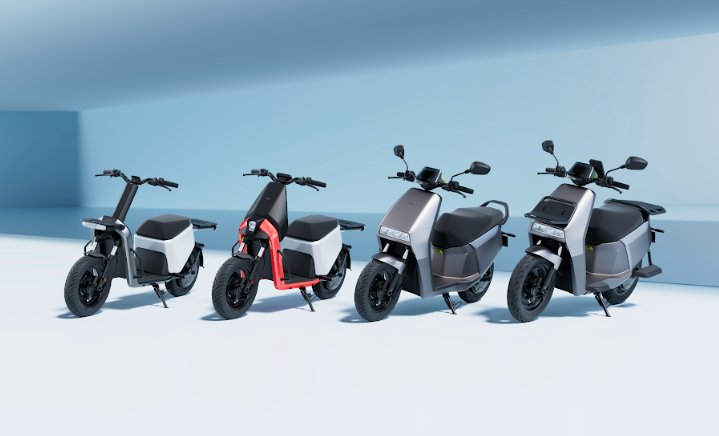
Ola Electric: Clean Energy Solutions for Urban Streets in India
Imagine a bustling city street in India where air pollution is an everyday concern, choking streets with diesel fumes that irritate lungs and disrupt lives. As you walk by these congested avenues, your phone buzzes with notifications about Ola Electric's innovative solution — clean energy for urban mobility.
Ola Electric has been making waves since its inception in 2017, driven by founder Bhavish Aggarwal’s vision to revolutionize personal transportation and curb air pollution. The company specializes in designing high-performance electric scooters and EV bikes that are not only eco-friendly but also packed with cutting-edge technology.
Ola Electric is more than just another player; it's at the forefront of India's sustainable mobility movement, spearheading a charge towards greener, cleaner streets. With its lineup including models like the Ola S1 in three distinct variants—each designed for city living and beyond—the company offers everything from daily commuting solutions to those seeking adventure off-road.
Now is an opportune moment to see what sets Ola Electric apart: The blend of high performance with a user-friendly interface, coupled with its robust charging infrastructure. But the story doesn't end there; it promises advanced technology like MoveOS that improves both comfort and efficiency for riders.
For those looking into making this transition greener, we’ll dive deeper today to explore Ola Electric's range options, pricing strategies, booking processes, sustainability features, as well as future innovations on offer by the company.
This comprehensive look at Ola Electric will show you how they're not just another player in an increasingly competitive market but leaders paving the path towards a cleaner and more sustainable transportation revolution for India. Stay tuned to uncover what makes these electric vehicles so special—coming soon!
The Full Story of Ola Electric
Ola Electric is at the forefront of India’s sustainable mobility revolution. Founded in 2017 by Bhavish Aggarwal, this company has made significant strides since its inception. They design and manufacture electric two-wheelers including their flagship product—the Ola S1. This scooter comes in three variants: Ola S1 Air, Ola S1X, and the more advanced Ola S1 Pro.
The innovative leadership of Bhavish Aggarwal has propelled Ola Electric to new heights within India's EV market. By 2023, they had established themselves as leaders with a staggering 30% share in this segment. This achievement underscores their commitment not only to innovation but also reliability and accessibility for the everyday consumer.
Key Developments
Ola Electric’s progress is marked by key milestones that have pushed them ahead of the curve in both manufacturing efficiency and technological advancement:
- 2017: Founded, setting out on a mission to bring clean energy mobility solutions.
- 2023: Achieved 30% market share with their diversified product line including S1 Air, S1X, and Pro variants.
- Future Plans: Planning to launch electric motorcycles in the early months of 2025.
Multiple Perspectives
Bhavish Aggarwal’s Vision:
Bhavish Aggarwal has always been at the heart of Ola Electric's mission statement. As a CEO with over two decades of experience, he believes deeply in creating sustainable and affordable mobility solutions for India. He emphasizes that their products are designed to meet everyday needs while being environmentally friendly.
User Experience:
Users have mixed experiences when it comes to Ola Electric’s product offerings. On one hand, there is the positive narrative—innovative technology like the MoveOS system enhancing comfort and efficiency. However, on another side of the spectrum are user reviews highlighting reliability issues such as sudden shutdowns during rides.
Industry Experts:
Industry experts appreciate how they're pushing India towards electrification while still maintaining affordability for a wide audience range including both urbanites commuting daily to more adventurous riders looking for off-road experience with their versatile products like S1X and Pro. They have also set benchmarks by collaborating on battery cells at manufacturing facilities in Tamil Nadu, aiming to provide energy storage solutions.
Broader Context
Ola Electric’s journey mirrors broader trends within the global electric mobility sector:
- Global Adoption: As more regions adopt stricter environmental regulations regarding vehicular emissions, demand for sustainable transportation options is rising.
- Indian Market Dynamics: In India specifically, this shift towards cleaner alternatives coincides with a growing middle class population seeking efficient and cost-effective ways to get around cities. Ola Electric has been well-positioned to capture these market opportunities by offering solutions that cater both affordability concerns while also meeting the technical needs of modern urban life.
- Technological Progress: Technologically, they’re leveraging state-of-the-art components like 4680 batteries and precision ABS braking systems integrated into their bikes for superior performance.
Real-World Impact
The impact of Ola Electric extends beyond just sales figures; it influences the daily lives of millions who rely on sustainable mobility solutions:
User Satisfaction:
Despite some reliability concerns highlighted by users, satisfaction levels remain high among those benefiting from these efficient and eco-friendly products. The move towards electric two-wheelers is transforming not only urban traffic but also personal habits.
Economic Impact:
For Indian consumers, the availability of affordable EVs opens up new avenues for economic mobility, enabling individuals to own transportation that aligns with both their environmental values and financial constraints.
- Employment Opportunities: As they scale operations further and expand into motorcycle production in 2025, this could create additional employment opportunities across multiple sectors involved from manufacturing batteries through design of electric components.
Social Changes:
These innovations also herald societal shifts. They represent the gradual transition away from traditional fuels towards more sustainable options like battery-powered vehicles.
Conclusion
Ola Electric stands as a beacon in India’s journey toward cleaner, more efficient transportation ecosystems. Through their innovative designs and strategic partnerships, they continue to push boundaries while ensuring accessible solutions for all segments of society looking for greener mobility alternatives. As these companies evolve further within the Indian EV market, we can expect continued growth and positive impacts on urban landscapes across diverse communities.
Remember that Ola Electric is more than just another player in this evolving space; it's at the epicenter driving forward a future where sustainable transportation becomes not only feasible but also an integral part of everyday life.
Summary
As we wrap up our exploration of Ola Electric, it's clear that this company is at the forefront of India’s sustainable mobility revolution. From their pioneering design innovations to their market leadership in both scooters and now motorcycles, Ola Electric has proven they are not just another player but a key driver towards cleaner urban environments.
Their commitment to reliable technology like MoveOS system provides not only enhanced performance but also improved comfort for riders—a win-win situation that speaks volumes about what sustainable mobility should look like. However, it's important to note the reliability concerns highlighted by users and service center issues need addressing through ongoing improvements in quality control processes.
Looking ahead, expect Ola Electric’s expansion into motorcycle production slated for early 2025 could open new avenues of employment opportunities within their manufacturing ecosystem while further solidifying their position as leaders in sustainable transportation. Moreover, they've already established a robust charging infrastructure to ensure seamless user experience and convenience.
The broader implications extend beyond just operational success; Ola Electric represents how transformative technologies can intersect with societal change for the betterment of communities. As more regions worldwide follow India’s lead towards cleaner energy alternatives, it will be fascinating to see what new partnerships or innovations arise from this pioneering spirit.
In conclusion, as we reflect on Ola Electric's journey thus far and future potential, one cannot help but wonder: Where does their sustainability story truly begin? And where might the next steps of growth take them in shaping India’s energy landscape for years to come?
This thought-provoking final question leaves readers eagerly anticipating what fresh innovations they may unveil. Their legacy will undoubtedly be defined not only by today's achievements but also how far they can lead us towards a more sustainable future—one powered by Ola Electric and driven forward with their commitment to excellence.