Winter Solstice: Ancient Cycle Marked by Natures Dark Glow
As we gaze up at the stark night sky during this season of cold winds howling through our cities or fields blanketed in frosty white, there lies a momentous occasion that marks an ancient cycle of time — one so profound it's whispered about by civilizations dating back millennia; it’s known as the winter solstice.
Imagine standing on Stonehenge thousands of years ago during this exact moment when Earth tilted farthest from the sun—a magical transformation where darkness seemed to stretch out over our land, and yet within those shadows there was a whisper of light breaking through at dawn's early hour.
It is on that day — the winter solstice—that we experience what many consider the longest night of the year. This celestial event isn’t just an astronomical phenomenon but one deeply woven into human culture; it serves as a reminder not only about our place in nature’s grand clockwork, but also how generations have found meaning and connection through its unfolding.
Why should readers care? Because understanding this pivotal moment connects us to ancient traditions that continue resonating across cultures. Whether you see it as the dawn of longer days or an eerie hush before the arrival of spring's warmth, there is a collective fascination around these celestial events. The solstices are more than just dates on calendars; they're milestones in our shared calendar and a vital link to Earth’s rhythms.
This article will delve deeper into what makes this date so special — from its astronomical significance at each hemisphere, the cultural traditions it has inspired throughout history, how modern science explains these natural cycles today, and even uncovering lesser-known aspects like sunrise alignments that keep ancient sites in sync with nature. So let's embark on a journey to explore why we celebrate when Earth leans farthest away—where shadows become longest and stars ignite within our darkest hours.
Join me as I navigate through the mysteries of winter solstice — from its celestial dance to cultural echoes throughout history, each discovery sheds light not only on this moment but onto who we are collectively.
The Full Story: Comprehensive Details and Context
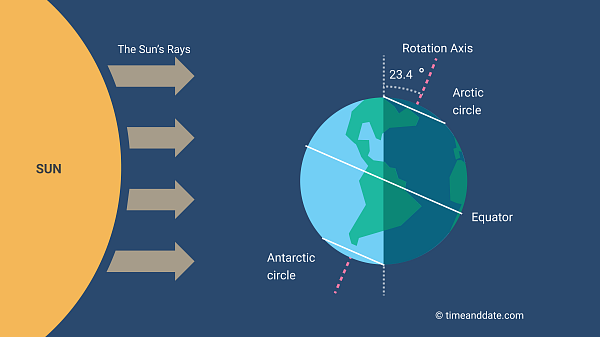
The Winter Solstice is an event of cosmic significance that marks our closest encounter with celestial phenomena on Earth’s journey through space. On this day—the December or June solstice—Earth's axis tilts furthest away from the Sun, resulting in a moment when daylight duration reaches its minimum for any given hemisphere during the year.
Key Developments: Timeline and Important Events
This astronomical phenomenon occurs twice each year—in late December (for those of us in the Northern Hemisphere) or early June (in our Southern counterparts). The exact date can vary slightly from one year to another, but it typically falls between November 21st and December 23rd for the Northern Solstice. Conversely, for the Southern Hemisphere's Winter Solstice, this aligns with March 20th through April 19th.
Multiple Perspectives: Different Viewpoints & Expert Opinions
The winter solstice holds profound significance across cultures throughout history. From ancient civilizations who believed it was a time of transformation and rebirth to modern-day enthusiasts who celebrate these natural rhythms as part of our interconnectedness with Earth, there is much to appreciate about this event.
Ancient Traditions: Deep Roots in Culture
In the Northern Hemisphere, many Indigenous cultures see the winter solstice not just as an astronomical marker but also a time when spirits gather and magic becomes potent. The ancient Egyptians held their annual festival for Isis around this period, honoring her role during childbirth—symbolically linked to life emerging from darkness.
For Druids, Pagans, and Wiccans—the Winter Solstice marks the rebirth of the sun—a crucial turning point in seasonal cycles that influence agricultural practices and daily rituals. This celebration often involves lighting bonfires (like those at Stonehenge) or gathering around hearth fires for warmth amidst colder weather.
Broader Context: How It Fits into Larger Trends
Understanding these unique moments helps us see Earth’s celestial movements as part of a grander cycle, one that impacts everything from our agricultural calendars to seasonal celebrations. The shift in daylight duration—shortening before the solstice and lengthening thereafter—is not just an astronomical event but also reflects how light guides human activities.
Modern Science Explains Natural Cycles
While ancient peoples may have relied on natural observations or folklore for guidance, modern science provides us with precise measurements of these celestial events. Astronomers use telescopes to precisely track the Sun's position against constellations and calculate when a specific solstice will occur based on Earth’s axial tilt.
Real-World Impact: Effects on People & Society
The winter solstice has real-world implications beyond just tracking time or seasons—it touches people at an emotional level too. For instance, many find comfort in lighting candles during this season to signify the return of light from darkness—a symbolic gesture that can foster feelings of warmth and connectedness.
Cultural Celebrations: A Global Phenomenon
Across cultures around the globe, communities gather on winter solstice days for various practices—whether it be feasting with loved ones or simply taking time to appreciate nature’s beauty. These events celebrate not only this moment but also honor traditions passed down through generations, reinforcing bonds between present and past.
Personal Reflections: Finding Meaning Within
Personally speaking, celebrating the Winter Solstice is an opportunity for self-reflection—an act of acknowledging life's cyclical patterns rather than merely observing them from a distance. Whether you choose to light candles at home or participate in larger gatherings—whether religious or secular—it provides space for introspection about where we've come and what could be ahead.
Real-World Impact: Effects on Agriculture & Industry
The winter solstice also plays into agricultural planning, especially when it comes to ensuring sufficient food supplies during harsh winters. Farmers might prepare crops that can withstand colder conditions while maintaining yield levels; this timing is crucial for livestock as well—ensuring enough resources are available year-round.
Additionally, businesses and industries have found ways to integrate these seasonal markers in marketing strategies or product development—a perfect example being holiday shopping seasons driven largely by celebratory occasions tied back to solstice traditions. From festive décor trends that emerge during winter months (think of Christmas lights) all the way up through themed food items available year-round based around popular cultural practices.
Real-World Impact: Effects on Society
While some might argue for secularizing religious holidays like those linked directly with astrological events, there remains a strong sense within many communities to honor these moments. It’s in this spirit that people gather together not only for social gatherings but also as part of broader discussions about human connection and heritage preservation.
How Solstice Celebrations Reflect Our Societal Values
For instance, the inclusion of indigenous or local traditions during winter solstice celebrations emphasizes respect towards diverse heritages while simultaneously honoring universal themes such as hope over despair. In essence, these practices serve to reinforce our collective identity through shared experiences that span across cultures and generations.
In summary, understanding this moment serves both scientifically accurate predictions about Earth's position relative to the Sun AND provides rich cultural context for its various facets—whether you lean towards scientific curiosity or deeper spiritual engagement with nature’s rhythms. Whether it be decorating one’s home during a holiday season influenced by celestial events OR simply appreciating life within these cyclical patterns, there is much more than meets eye-level in this yearly occurrence known as the winter solstice.
The Winter Solstice Celebrations: Perspectives Across Cultures
No two celebrations of the Winter Solstice are alike. Different cultures have their unique ways to mark and celebrate this momentous event:
Indigenous Traditions
For many indigenous communities, particularly those living within polar regions like Arctic or Antarctic areas—where winter conditions can be harsh at times—the solstice marks a period when spirits gather near people’s dwellings as part of spiritual rituals. These gatherings are often held during long nights (which sometimes last for weeks) and involve sharing stories, singing songs to honor ancestors and inviting deities who bring light back into the world.
Pagan Practices
In contemporary pagan communities—especially those adhering closely with ancient traditions—the Winter Solstice is celebrated as Yule. It’s a time when people often gather around bonfires during which they might recite spells or make wishes; some also choose to build an evergreen tree at home, known as the “Wassailing Tree,” symbolizing continuity and welcoming new beginnings.
Modern Druidism & Wicca
Within Pagan groups like Neo-Druidry (a form of modern druidry that incorporates elements from historical practices) or traditional Witchcraft paths such as Neopaganism—there are various ways to celebrate this moment. During certain solstice celebrations, offerings may be made into nature via plants and herbs with the purpose being two-fold; first is connecting back to Earth’s natural cycles while also appeasing deities who oversee these phenomena.
Secular Celebrations
Finally, for those not aligned with any particular religious or cultural tradition—some people choose to still celebrate this moment through simple yet meaningful gestures. For instance, lighting candles at home (commonly referred to as Yule lights) can signify the return of light after dark times; others might opt out entirely by recognizing instead how we should approach life during these months: more wisely, joyfully and compassionately.
Personal Reflections & Practices
The Winter Solstice also offers an opportunity for self-reflection. As you observe this moment in nature (or even mark it with a personal practice), ask yourself what aspects of your own life could benefit from greater focus on balance or positivity—whether that means incorporating new habits into daily routines OR simply looking back over recent months to appreciate accomplishments.
Embracing Change Amidst Challenges
Winter often comes hand-in-hand with colder temperatures and longer nights. While these realities can present challenges, the solstice serves as a reminder of how even in darkness there are moments when hope returns—like an early ray breaking through clouds on chilly mornings leading up towards sunnier days ahead.
How Can One Honor This Moment?
Regardless if you follow any specific tradition—or choose not to connect with others regarding this event altogether—one can still honor the winter solstice by engaging more deeply within their own values. Here are some ideas for how one might do so:
- Nature Observations: Spend time looking at plants and animals in your area—what behaviors have changed? How has weather shifted recently?
- Simple Rituals:
- Light a candle (or multiple candles) to represent the sun's return.
- Make an offering of fruit, grains or herbs as tokens representing growth and renewal post-winter season.
- Creative Writing: Write down your thoughts about this moment in nature: what emotions arise? How does observing change help you reflect on past months?
- Personal Goals & Resolutions:
- Set intentions for positive changes that may be coming up—what can be done now to make progress towards achieving these goals?
Conclusion
Celebrating the Winter Solstice offers a unique opportunity not only to engage with natural rhythms but also as part of larger cultural and societal contexts. It invites reflection on how we live our lives amidst seasonal transitions—and serves as an anchor point reminding us all that hope always returns even during winter months.
Whether you choose to participate in traditional celebrations or simply take time for yourself, the Winter Solstice remains a remarkable moment worth acknowledging annually. By engaging with various perspectives and traditions surrounding this event, one can gain new insights into both humanity's universal journey through life AND more specific connections within their personal experiences living among them all. By embracing these practices of self-care and introspection—whether it be lighting candles or reflecting on your year’s achievements—it allows us to fully appreciate the importance of honoring such meaningful moments in nature.
Summary
In this exploration of Winter Solstice, we've delved into its profound significance as a moment when Earth tilts furthest away from our nearest star—the Sun—resulting in the shortest day for most parts of the world. Whether you view it through ancient traditions like those at Stonehenge or modern practices within Pagan and Wiccan circles, this event serves as more than just an astronomical occurrence—it's a reminder that even amidst darkness there is always hope.
From Indigenous cultures gathering around bonfires to reconnect with spirits near winter nights—and Pagans lighting candles in celebration of the rebirth of light—each perspective underscores how much we can learn from observing nature’s cycles. These moments not only mark transitions but also offer powerful reminders about connection, resilience and renewal within ourselves as individuals living on this wondrous planet.
As our understanding of seasons continues to evolve through science—and with it new technologies for tracking celestial events—it's fascinating to see these ancient practices still resonate today. For instance, how might using telescopes or other astronomical instruments help us better appreciate the intricate dance between Earth and Sun during Winter Solstice? And what insights could this bring into human relationship with our natural environment?
Looking ahead, one cannot ignore that as climate change continues reshaping seasons—there’s a growing urgency around ensuring sustainable practices aren’t just in line with traditional celebrations but also for our future. How do we honor the solstices of today while safeguarding tomorrow? This question invites us all to pause and contemplate how modern actions impact both ourselves AND this unique moment when Earth faces its darkest night.
In essence, Winter Solstice serves as a profound call: let's cherish these moments not just because they exist but also for what they remind us about our place in time. As we move forward, may each winter solstice serve as an opportunity to reflect on how we can better honor and preserve the beauty of nature’s ever-changing cycles.
And so ends this exploration into Winter Solstice: a timeless reminder that even when darkness seems at its peak—hope always returns—and it starts with us looking up. What will you do today?